SIMFY FIRESYS
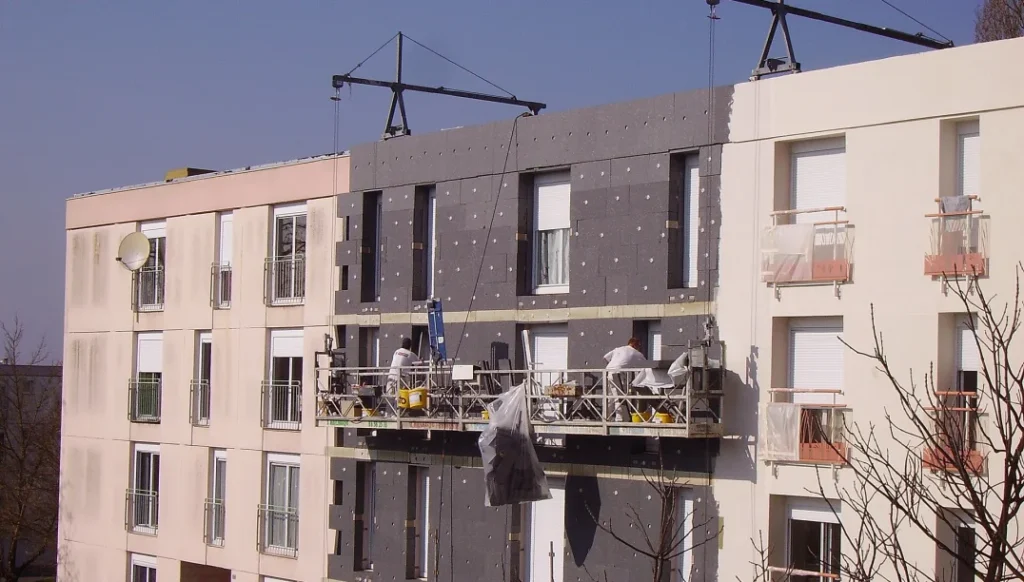
EN 13501-1 Reaction to Fire Classes A1 to F Explained
What A2-s1,d0 actually means. The EN 13501-1 classes A1 to F, the smoke and droplet codes, the fl and L subscripts, and how to check a…
August 28, 2026Read more →
SIMFY FIRESYS
What A2-s1,d0 actually means. The EN 13501-1 classes A1 to F, the smoke and droplet codes, the fl and L subscripts, and how to check a…
SIMFY FIRESYS
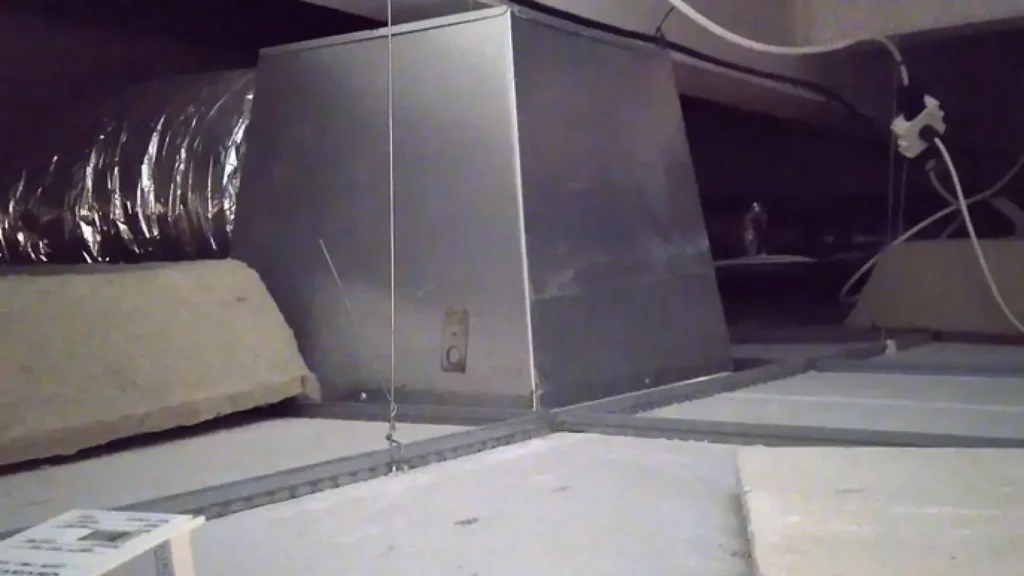
Sourcing fire dampers? Why EN 1366-2 is a test method and EN 15650 the product standard, what ve, ho and S mean, and what the enquiry…

SIMFY FIRESYS
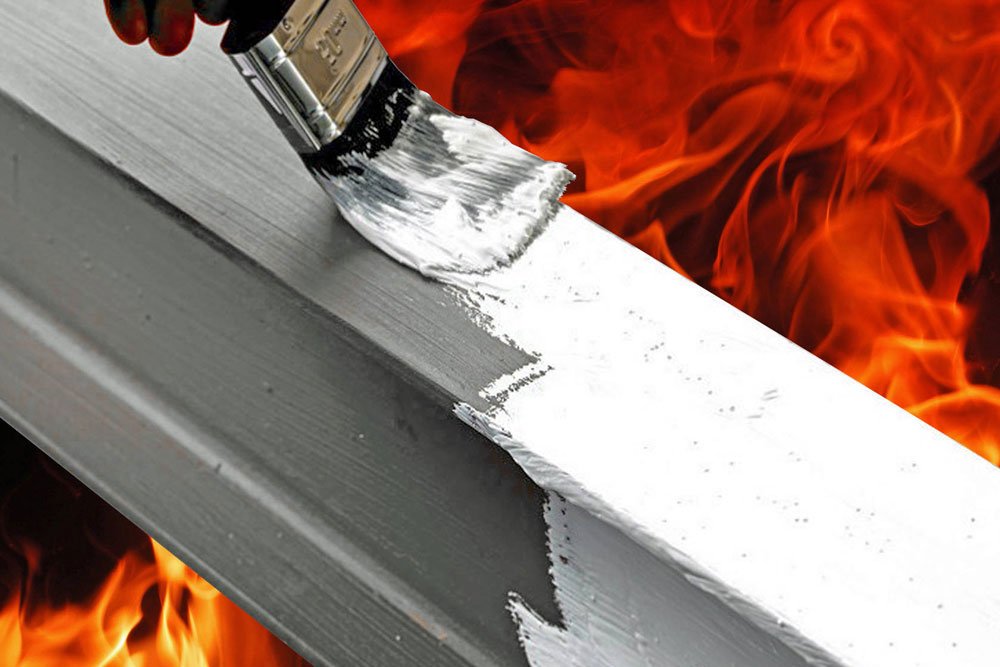
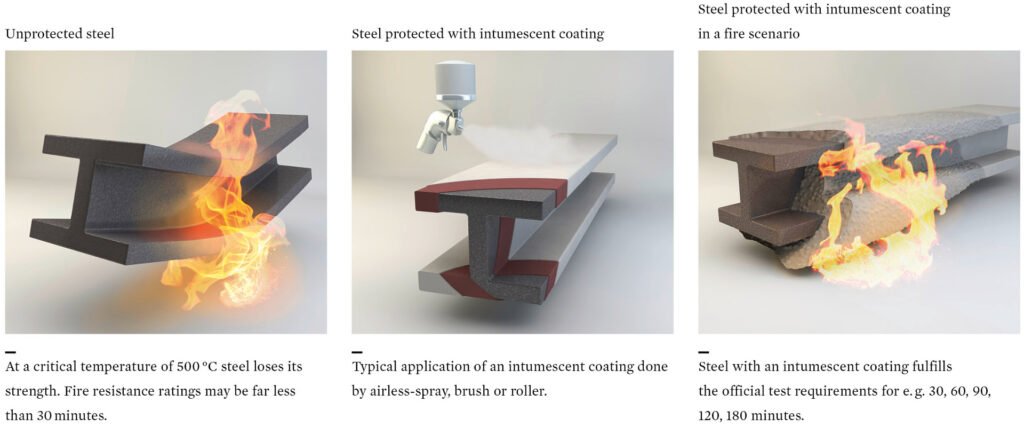
Buying intumescent coating for a steel frame? How section factor, critical temperature and EN 13381-8 tables decide thickness, and what to send before quoting.
SIMFY FIRESYS
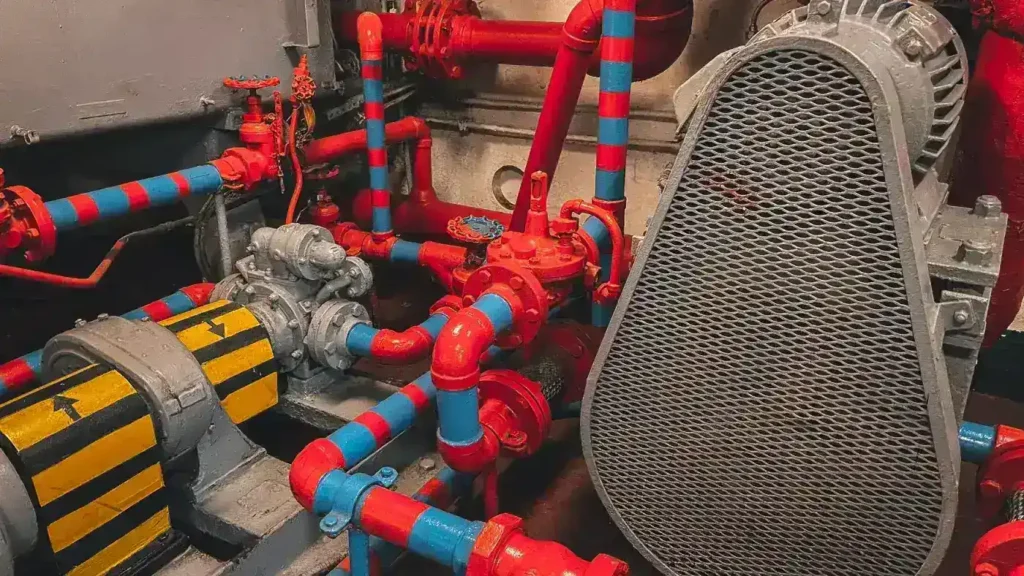
Sourcing fire collars for a project? What EN 1366-3 really tests, why U/U and U/C decide whether your certificate applies, and what to check before ordering.

SIMFY FIRESYS
A firestop specification fails when it names a product instead of a performance. How to write the classification, evidence and substitution clauses properly.
SIMFY FIRESYS
Intumescent sealant swells under heat to close a gap. See how it differs from ablative and acrylic, and why its EI rating only holds in a…
SIMFY FIRESYS
Fire stopping explained for buyers: penetration seals, linear gap seals, which test applies, and why a firestop rating belongs to a tested system.
SIMFY FIRESYS
Passive fire protection explained for buyers: what EI ratings mean, which test applies to each product family, and why a rating belongs to a tested system.